

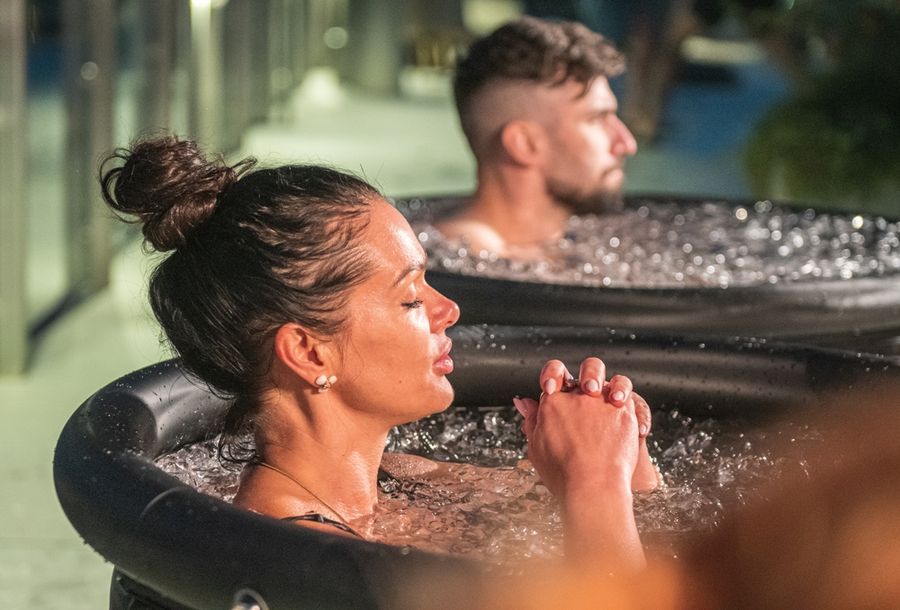
Cold therapy has moved well beyond athletic recovery rooms and into mainstream wellness conversations, drawing curious newcomers and seasoned health enthusiasts alike. Understanding how it actually works and what the science says can help anyone decide whether it belongs in their personal health routine.
What Is Cold Therapy and Why Is It Growing in Popularity?
Cold therapy, often referred to as cold-water immersion (CWI), involves submerging the body or parts of it in cold water for a defined period of time. While athletes have used ice baths for decades to manage soreness after intense training, the practice has expanded well beyond sports recovery. Cold showers, plunge pools, and dedicated ice bath tubs have all become part of a growing consumer trend that shows no signs of slowing down.
The rise in popularity is reflected in marketplace data. Sales of ice baths on a major retail platform surged from under 1,000 units in late 2022 to more than 90,000 units within a single year, illustrating just how rapidly mainstream interest in cold exposure has grown. What was once reserved for elite athletes has become a daily ritual for a much broader audience.
What Does the Research Actually Say?
A 2025 peer-reviewed systematic review and meta-analysis published in PLOS ONE examined eleven randomized trials to evaluate how cold-water immersion affects psychological, cognitive, and physiological outcomes in healthy adults. Harvard Health Publishing also summarized the findings for a general audience, noting that researchers analyzed data from 3,177 participants across those studies, with water temperatures ranging from 45° to 59°F and exposure durations spanning 30 seconds to 15 minutes.
The breadth of the research gives cold therapy credibility beyond anecdote. The studies examined stress responses, sleep quality, immune function, inflammation markers, and quality of life — offering a multidimensional picture of how the body responds to cold exposure over both short and long timeframes.
How Cold Therapy Affects Stress and Mental Wellbeing
One of the most discussed potential benefits of cold therapy is its effect on stress. Research findings indicate that stress levels dropped significantly, but notably, this reduction was detected at the 12-hour mark following cold-water immersion, rather than immediately afterward. No significant changes in stress were detected right after immersion, or at the one-hour, 24-hour, or 48-hour points post-exposure.
This delayed effect is an important nuance. Those expecting to feel instantly calmer after stepping out of an ice bath may be disappointed, but the data suggests the body continues processing the physiological stimulus of cold exposure well after the session ends. Patience with the practice, rather than immediate gratification, appears to be central to its stress-related benefits.
Sleep, Quality of Life, and Gender Differences
Cold therapy outcomes may vary by gender. Men reported improved sleep quality following ice bath use, while women in the same studies did not report the same benefit. This distinction is worth noting for anyone personalizing a wellness approach, as it underscores that cold therapy does not affect everyone in identical ways.
Beyond sleep, quality of life scores showed a positive shift among people who incorporated cold showers into their routines compared to those who stuck with warm showers. While this is a self-reported measure, it points to a meaningful subjective benefit that many cold therapy practitioners consistently describe.
Inflammation and Immune Function
The relationship between cold therapy and inflammation is more complex than popular wellness culture often suggests. Meta-analysis results showed that inflammatory markers actually increased, rather than decreased, both immediately after cold-water immersion and one hour post-session, pointing to an acute inflammatory response rather than instant relief. This challenges the widespread assumption that cold therapy simply suppresses inflammation on contact.
Longer-term immune benefits, however, appear more promising. Participants who incorporated cold showers into their regular routines experienced roughly a 29% reduction in missed work days due to illness, suggesting that consistent cold exposure may strengthen the immune system's resilience over time. This distinction between short-term inflammatory responses and long-term immune adaptation is critical for understanding what cold therapy can and cannot do.
Safety Considerations Before Getting Started
Cold therapy is not universally safe for every individual. People managing heart conditions, elevated blood pressure, diabetes, or poor circulation are advised to consult a physician before attempting any form of cold-water immersion. The physiological demands of sudden cold exposure can place significant stress on the cardiovascular system, making medical clearance an essential step for anyone in a higher-risk category.
Even for generally healthy adults, starting slowly and gradually increasing exposure time is a sensible approach. Beginning at the shorter end of that spectrum allows the body to adapt incrementally rather than facing an abrupt shock.
Is It Time To Try Cold Therapy?
Cold therapy occupies a fascinating space in modern wellness — supported by a growing body of peer-reviewed research yet still full of nuances that the science continues to unpack. The benefits around stress reduction, immune resilience, and quality of life are encouraging, but they come with important context: effects are often delayed, outcomes vary between individuals, and certain populations need professional medical input before starting. For anyone curious about integrating cold exposure into a broader health routine, staying informed about what the evidence actually supports is the most empowering first step. The research is evolving, and those who understand its current boundaries are best positioned to make thoughtful, personalized decisions about cold therapy's place in their lives.