

Pet fish offer a calming, low-footprint companionship that appeals to a wide range of households, but keeping them healthy requires more preparation than most new owners anticipate. Water chemistry, tank cycling, species compatibility, and hygiene all play important roles in long-term success.
Why Fish Make a Compelling Pet Choice
Research has found that observing fish in an aquarium is associated with reduced stress levels in people, making them an appealing option for those seeking a relaxing presence at home. Fish also tend to be well-suited to households where space is limited or where allergies to fur or dander rule out more common pets. Despite this accessibility, they are not super low-maintenance animals—their health depends almost entirely on the environment their owner creates and sustains for them.
One detail that surprises many first-time buyers is how dramatically some fish can grow. A common Plecostomus purchased as a small juvenile, for example, has the potential to exceed twenty inches in length, quickly outgrowing a home aquarium that seemed perfectly adequate at the time of purchase. Thoroughly researching any species before purchasing it is an essential step that prevents both animal suffering and owner frustration.
Setting Up the Right Environment
Water quality is the single most critical factor in fish health. Poor water conditions represent the leading cause of environmentally triggered disease in aquarium fish, which means monitoring chlorine levels, pH balance, temperature, and salinity on a routine basis is non-negotiable. Most municipal tap water contains chlorine or chloramine treatments that are toxic not only to the fish themselves but also to the beneficial bacteria that keep the tank balanced. Dechlorinating agents must be added to any new water before it enters the aquarium.
Lighting is another factor that owners sometimes overlook. Fish require a consistent day and night cycle for their overall wellbeing; running aquarium lights continuously around the clock creates chronic stress and increases vulnerability to illness. A simple timer attached to the tank's lighting system can make maintaining this cycle effortless.
The Tank Cycling Process
Before any fish enter a new aquarium, the tank needs to go through a biological cycling process. The beneficial bacteria responsible for converting toxic ammonia, which is produced by fish waste, into less harmful compounds take approximately four to six weeks to establish themselves naturally. Adding too many fish before this bacterial colony matures causes ammonia to accumulate at dangerous levels, often with fatal results. New fish owners are advised to introduce animals gradually rather than stocking a tank all at once.
Choosing Compatible Species
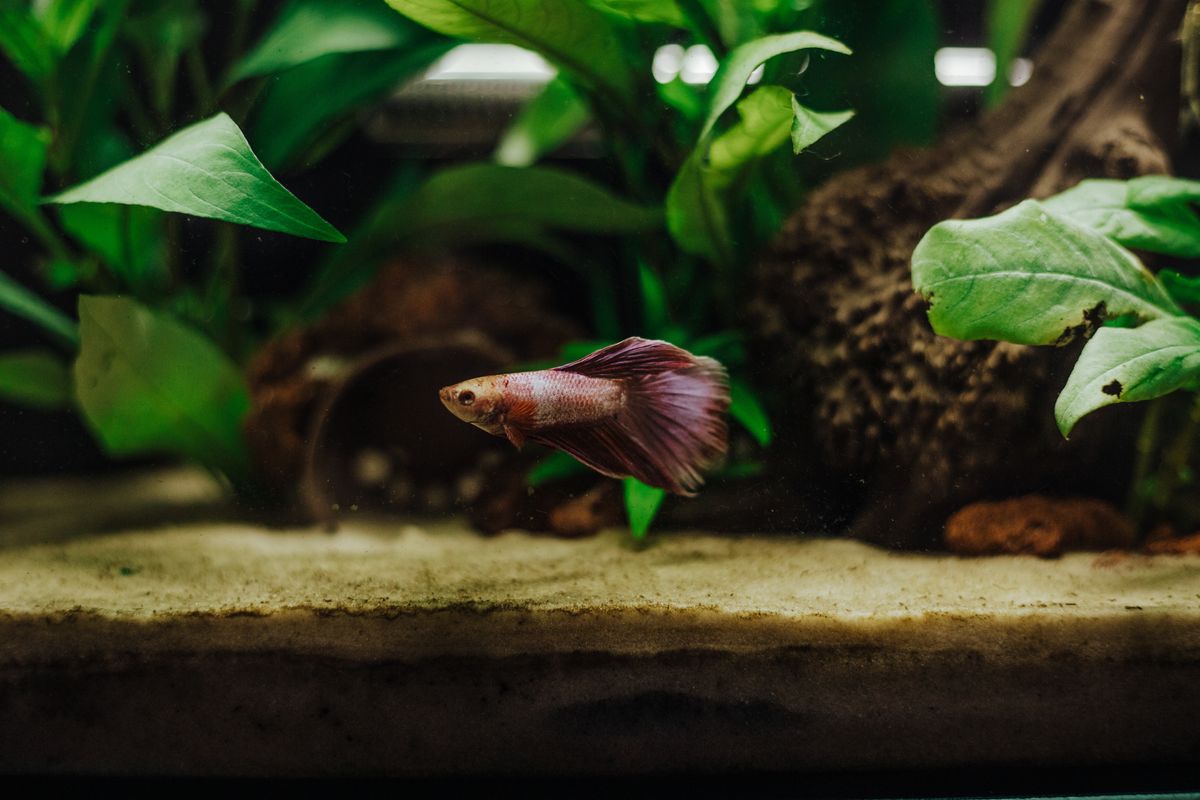
Not every fish can share a tank peacefully. A practical starting point for stocking density is one inch of fish per gallon of water, and owners should verify in advance that the species they select can coexist. Male betta fish, for instance, are well known for their aggressive behavior toward one another and cannot be housed together. Species temperament, water temperature preferences, and dietary needs should all factor into the selection process before any animals are purchased.
Quarantining New Arrivals
Introducing a new fish directly into an established tank puts the existing population at risk. Any newly acquired fish should spend at least one month in a separate quarantine tank before joining other fish, as this isolation period allows for the detection and treatment of parasites, bacterial infections, fungal conditions, or viral diseases that may not be immediately visible. Setting up even a modest secondary tank for this purpose is a straightforward precaution that can protect a larger, more established aquarium investment.
Health and Safety Considerations for Owners
Fish ownership carries some public health considerations that owners should be aware of. Although transmission is uncommon, certain germs associated with fish and their tank water can cause illness in people, including infections such as Mycobacteriosis, Salmonella, and Vibriosis. Children under five, adults over sixty-five, and anyone with a compromised immune system face a higher risk of developing serious illness from these pathogens. Consistent handwashing after handling tank equipment or performing water changes is one of the most effective ways to minimize this risk.
Responsible disposal of unwanted fish is equally important. Releasing fish into outdoor bodies of water, including ponds, rivers, or lakes, is strongly discouraged (and illegal is most states); most released fish will not survive, and certain species have the potential to disrupt native wildlife populations if they do. Local fish stores, aquarium clubs, or rehoming networks offer safer alternatives for owners who can no longer care for their fish.
Learn More About Pet Fish Husbandry
Keeping pet fish is a genuinely rewarding hobby, but the foundation of that experience rests on informed preparation. Understanding water chemistry, allowing adequate time for tank cycling, selecting species thoughtfully, and practicing sound hygiene all contribute to a thriving aquarium. The health of the fish and the safety of the household both improve when owners approach the hobby with curiosity and diligence. Whether someone is considering their first goldfish or exploring a more complex saltwater setup, taking the time to understand the science and care behind aquarium keeping leads to a far more satisfying and sustainable experience for fish and owner alike.