

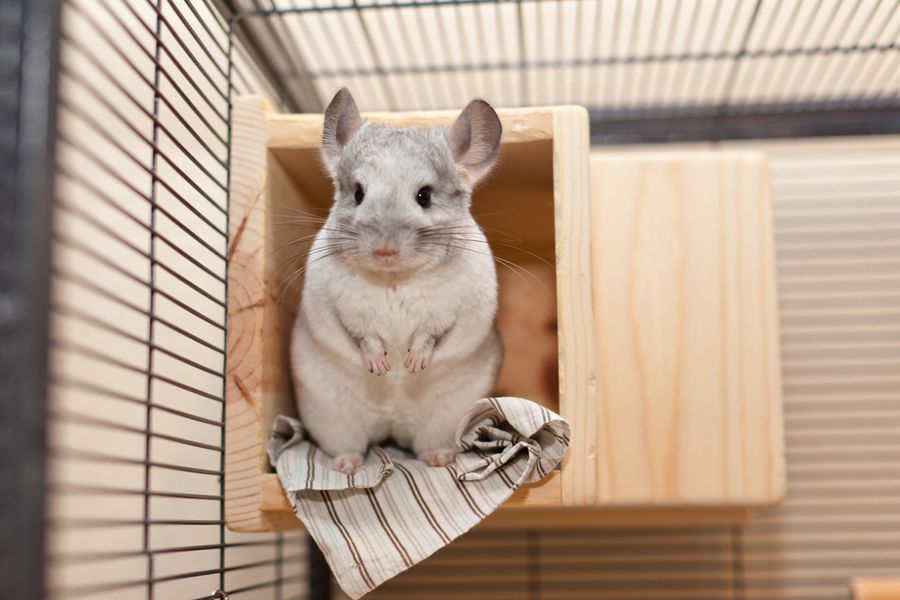
Chinchillas look like tiny, impossibly soft stuffed animals, but caring for one takes more planning than their cute appearance suggests. They need cool temperatures, lots of vertical space, constant access to hay, regular dust baths, and plenty of safe things to chew. They can also live far longer than many small pets. Before bringing one home, it helps to understand the daily routine, setup costs, social needs, and health concerns that come with sharing your home with a chinchilla.
Chinchillas Are a Long-Term Commitment
Chinchillas aren’t short-term starter pets. They can live for 10 years or longer, with some reaching around 15 years when properly cared for. Their lifespan means adopting one can be a commitment similar in length to owning a dog or cat.
They’re also most active around the early morning, evening, and nighttime hours. That schedule can work well for adults who are away during the day, but it may surprise anyone expecting a pet that’s eager to play at noon. Chinchillas are often more enjoyable to watch jumping, climbing, and investigating than to hold for long periods. If you primarily want a small animal that enjoys frequent cuddling, another species may be a better match.
They Need Much More Space Than Their Size Suggests
A chinchilla may be small, but its enclosure shouldn’t be. These animals are active jumpers and climbers, so vertical space, platforms, hiding areas, and room to move are important. A tall metal enclosure with solid resting surfaces is generally more useful than a small single-level cage.
Add sturdy shelves, tunnels, nest boxes, chew-safe branches, and other places to investigate. Bare wire floors shouldn’t make up the entire living surface because spending too much time on wire can contribute to sore feet. The enclosure also needs to be secure. Chinchillas are enthusiastic chewers, so plastic accessories and exposed electrical cords can quickly create problems during supervised playtime outside the cage.
Keeping a Chinchilla Cool Is Essential
Temperature control is one of the biggest differences between chinchilla care and caring for many other small mammals. Their extremely dense coats evolved for a cool, dry mountain environment, making them much less tolerant of heat than people may expect.
Warm, humid conditions can lead to overheating, and temperatures around or above 80°F can become dangerous, especially when humidity is high. Keep the enclosure away from direct sunlight, radiators, heating vents, and hot upstairs rooms. In warm climates, air conditioning may be necessary rather than optional. A fan alone doesn’t lower room temperature enough to protect an animal during extreme heat, so consider whether you can reliably maintain a cool environment before adopting.
Hay Should Make Up the Heart of the Diet
Chinchillas have a digestive system built for a high-fiber diet. Fresh grass hay, such as timothy or meadow hay, should be available at all times. Chewing long strands of hay also helps wear down teeth that continue growing throughout the animal’s life.
A small measured amount of high-quality chinchilla pellets can complement the hay. Avoid muesli-style mixes that encourage selective eating, since a chinchilla may pick out tastier pieces and leave more nutritious ingredients behind. Fresh drinking water should always be available as well. Treats should stay limited. Chinchillas don’t need sugary snacks, large portions of fruit, nuts, seeds, or the many colorful treats marketed for small pets.
Dust Baths Replace Traditional Bathing
One of the most entertaining parts of chinchilla care is watching a dust bath. Chinchillas roll and flip through specially formulated bathing dust, which helps remove excess oils and moisture from their dense coats. Regular access to a proper dust bath helps keep the fur in good condition.
Use a container large enough for the chinchilla to roll comfortably and offer bath dust made specifically for chinchillas. Bath sessions don’t need to last all day. Around 10 minutes can be enough, and leaving the container in the enclosure continuously may encourage the animal to use it as a toilet.
Never give a chinchilla a routine water bath. Dense fur can be difficult to dry thoroughly, which can create skin and coat problems.
They Need Chewing, Climbing, and Daily Enrichment
Chinchillas aren’t animals that can simply sit in a cage with food and water. They need ways to jump, chew, hide, forage, and investigate their surroundings. Boredom can contribute to unwanted behaviors and poor welfare, so enrichment should be part of everyday care.
Safe wooden branches, cardboard tubes, tunnels, platforms, hiding boxes, and appropriately sized exercise wheels can create more opportunities for activity. Rotate toys rather than filling every inch of the enclosure at once. You can also hide small amounts of food in hay or cardboard items to encourage natural foraging.
Supervised exercise outside the enclosure is valuable, but the room needs to be chinchilla-proofed first. Block access to wires, houseplants, narrow gaps, plastics, and anything else that can be chewed or swallowed.
Chinchillas Can Be Social Without Being Cuddly
Chinchillas are social animals, and some animal-welfare organizations recommend keeping compatible animals together rather than routinely housing them alone. Same-sex pairs that already know each other can be easier than trying to introduce unfamiliar adults later.
Social doesn’t necessarily mean eager to be carried around. Many chinchillas prefer approaching people on their own terms. Build trust slowly by sitting near the enclosure, offering appropriate food by hand, and allowing the animal to investigate you.
When handling is necessary, support the body securely and avoid grabbing or squeezing. Chinchillas can become frightened by rough handling, and children should always be supervised. A household looking for a pet that enjoys long cuddling sessions may find a chinchilla less interactive than expected.
What You Need Before Bringing a Chinchilla Home
Setting everything up before adoption makes the first few days calmer for both you and your new pet.
|
Essential |
Why you need it |
|---|---|
|
Large, secure enclosure |
Provides room for climbing and activity |
|
Solid shelves and platforms |
Creates safe vertical space |
|
Nest box or hide |
Gives the chinchilla somewhere private to rest |
|
Grass hay |
Supports digestion and dental health |
|
Chinchilla pellets |
Complements a hay-based diet |
|
Water bottle |
Provides constant access to fresh water |
|
Chinchilla bath dust |
Keeps the dense coat clean |
|
Dust-bath container |
Gives enough room for rolling |
|
Safe wooden chews |
Helps with natural chewing and tooth wear |
|
Bedding or floor covering |
Keeps resting areas dry and comfortable |
|
Carrier |
Needed for vet visits and emergencies |
|
Room thermometer |
Helps you monitor heat risk |
|
Safe toys and tunnels |
Provides exercise and enrichment |
Set up the enclosure before the chinchilla arrives, including food, water, hiding places, and a quiet location away from direct sun.
Cleaning Is Regular but Manageable
Chinchillas are relatively clean animals, but their enclosure still needs routine maintenance. Remove soiled bedding and obvious messes every day, refresh water and hay, and wash food or water containers as needed. Platforms and heavily used areas may require more frequent attention.
Deeper cleaning can be done on a regular schedule based on the enclosure and bedding you use. Avoid heavily scented cleaners, since strong smells can be stressful and irritating.
Don’t strip away every familiar scent each time you clean. Maintaining a clean but recognizable environment can reduce stress. Dust baths also create fine particles around the cage, so expect some extra dusting or vacuuming in the surrounding room.
Find an Exotic-Pet Vet Before You Need One
Not every veterinary practice treats chinchillas, so don’t wait for an emergency to find out where to go. Locate a veterinarian experienced with exotic mammals before bringing your pet home and ask where you should seek care after hours.
Chinchillas can hide illness until a problem has progressed. Changes in appetite, droppings, drinking, activity, breathing, or behavior deserve attention. Runny eyes or nose, limping, unusual swellings, overgrown teeth, diarrhea, or signs of pain are also reasons to contact a veterinarian.
Dental problems deserve special attention because chinchilla teeth grow continuously. Unlimited hay and safe chewing materials help support normal wear, but they can’t correct established dental disease.
Budget for More Than the Chinchilla Itself
The purchase or adoption fee is only one part of the cost. A properly sized enclosure can be one of the biggest initial expenses, followed by shelves, hides, a carrier, bowls or bottles, chew toys, dust-bath supplies, and temperature-control equipment.
Ongoing costs include hay, pellets, bedding, replacement toys, bathing dust, and veterinary care. If you keep a compatible pair, food and medical expenses will naturally increase.
Air conditioning can also affect the household budget during warm months. Because temperature control is a genuine health need rather than a luxury, anyone living somewhere with hot summers should factor cooling costs into the decision. An emergency veterinary fund is useful too, since exotic-pet care may cost more than a routine small-animal visit.
Think Carefully About Children and Other Pets
Chinchillas can live successfully in family homes, but they aren’t always ideal pets for young children. Their bodies require careful handling, and they may become stressed when chased, grabbed, or repeatedly picked up. Older children who can follow calm handling rules may enjoy helping with feeding, enrichment, and supervised care.
Dogs and cats should never have unrestricted access to a chinchilla. Even a friendly predator can frighten a small prey animal, and one playful swipe or bite could cause serious injury. Keep the enclosure somewhere secure and make sure other pets can’t knock it over, paw through the bars, or sit beside it constantly.
Adults should remain responsible for the animal’s long-term care, even when the chinchilla was originally brought home for a child.
Is a Chinchilla the Right Pet for You?
A chinchilla may be a great fit if you enjoy watching an active, curious animal and don’t mind arranging your home around its needs. You’ll need room for a large enclosure, dependable temperature control, time for cleaning and enrichment, and access to an exotic-pet veterinarian.
It may not be the best match if you want a highly cuddly animal, live somewhere hot without air conditioning, travel frequently without reliable pet care, or prefer a pet with a short commitment. Their long lifespan deserves serious thought before adoption. The biggest question isn’t whether chinchillas are adorable. It’s whether their specific needs fit comfortably into your household for many years.
A Small Pet With Some Big Requirements
Chinchillas can be fascinating companions, but their care goes well beyond buying a cage and a bag of pellets. Cool temperatures, generous space, unlimited hay, dust baths, enrichment, gentle handling, and proper veterinary care all matter.
Preparing those pieces before adoption gives a new chinchilla a much better start. If the commitment fits your home and lifestyle, you’ll get to share your space with an energetic, curious animal whose personality can make the extra planning worthwhile.