

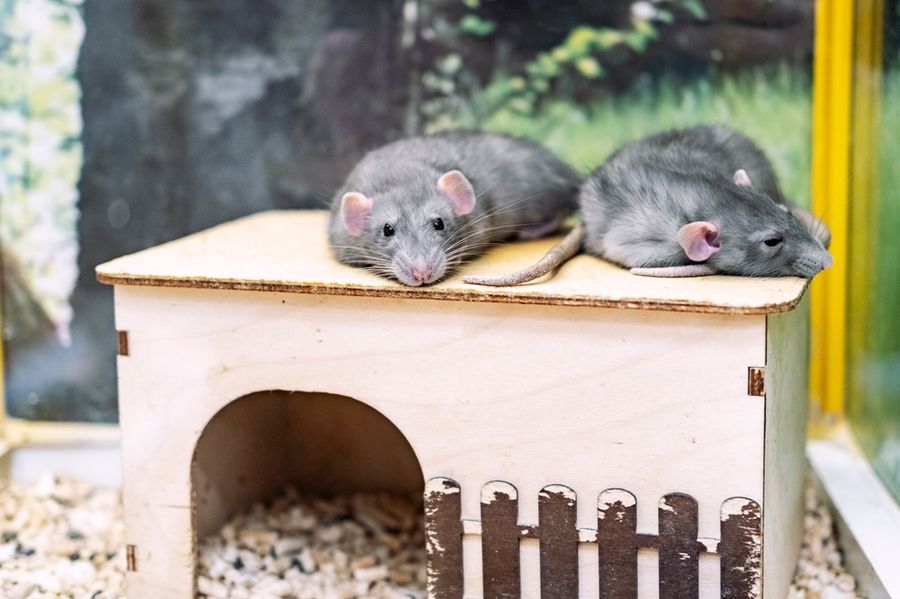
Many people are surprised to learn that rats are intelligent, social animals that can make surprisingly rewarding companions! Before you bring home a pair (or even a larger mischief!), understand their specific nutritional, habitat, health, and social needs.
The Social and Emotional Needs of Pet Rats
Rats are highly social creatures, and one of the most important things a future owner should know is that these animals genuinely thrive in the company of others. Keeping a single rat in isolation can lead to loneliness and stress, which is why many experts recommend adopting rats in pairs or small groups (called a mischief). This social nature also means rats benefit from daily interaction with their human caregivers, making them a more hands-on pet than many people expect.
Despite their smaller size, rats have active minds that need regular stimulation. Providing enrichment items such as tunnels, toys, and climbing structures helps keep them mentally engaged. Without adequate enrichment, rats can become bored and develop behavioral issues, so planning their environment thoughtfully is essential.
Lifespan
Pet rats typically only live between two and three years in a home setting. While this may seem brief compared to cats or dogs, those years can be filled with meaningful interaction and bonding.
Setting Up the Right Habitat
Housing is one of the most critical decisions a new rat owner will make. The cage should be spacious enough to allow natural movement, play, and rest. The flooring material matters just as much. Wire-bottomed cages should be avoided entirely, as this type of flooring can cause painful foot problems and other health complications. Solid-floored enclosures with appropriate bedding are far safer.
Bedding choice is another area where new owners can make costly mistakes. Cedar and pine wood shavings should not be used because of the respiratory irritants they contain, but aspen and other hardwood-based shavings are considered safe alternatives. Dust-treated paper bedding can also be a great option, though it tends to be more expensive. Flannel or fleece blankets can also be used, though they don't manage odor as well and therefore should be changed more regularly. Keeping the habitat clean through regular spot-cleaning and full bedding changes is also fundamental to preventing disease.
Nutrition and Feeding Basics
A well-balanced diet is central to keeping rats healthy throughout their lives. Pellet or block-style food formulated specifically for rats delivers the most complete and consistent nutrition. Seed mixes, by contrast, allow rats to selectively eat only their preferred items, which can lead to nutritional imbalances and obesity over time. Fresh vegetables and the occasional treat can supplement the diet, but the core nutrition should come from a quality rat-specific formulation.
One dietary behavior that surprises many new owners is coprophagia, which is the practice of consuming their own feces. While it may seem alarming, this behavior is entirely normal and purposeful: rats obtain essential nutrients including vitamin K and B-complex vitamins this way. Owners should not attempt to prevent this behavior, as it plays a genuine role in the animal's nutritional health.
Preventive Health Care and Veterinary Needs
Many first-time rat owners are caught off guard by veterinary costs. Rats require care from a veterinarian who is experienced with small exotic animals, since not all vets have the knowledge to identify subtle signs of illness in rodents. Upper respiratory infections are very common in rats and can be lethal if not treated by a veterinarian.
There are currently no available vaccines for rats or other small rodents, which means disease prevention relies entirely on excellent husbandry practices. Keeping the habitat clean, providing appropriate nutrition, minimizing stress, keeping air quality high, and monitoring behavior regularly all contribute to long-term health.
Dental Health Awareness
Rat dental health is an area that often goes overlooked until a problem develops. Overgrown incisors are among the most frequently seen issues in pet rats, and when left unaddressed, they can result in difficulty eating, weight loss, dehydration, and trauma inside the mouth. Providing appropriate chew materials and monitoring incisor length during regular handling can help owners catch problems early.
Are Pet Rats Right For You?
Pet rats reward attentive owners with curiosity, affection, and personality that few small animals can match. However, their needs around housing, diet, social interaction, and veterinary care are specific enough that preparation genuinely matters. Prospective owners who take time to understand dental health risks, the limits of vaccine protection, the importance of correct bedding, and the value of a qualified vet will be far better positioned to provide a high quality of life for their animals. Rats may have shorter lifespans than many other pets, but with the right knowledge and commitment, every year can be a healthy and enriching one for both the rat and its owner.