

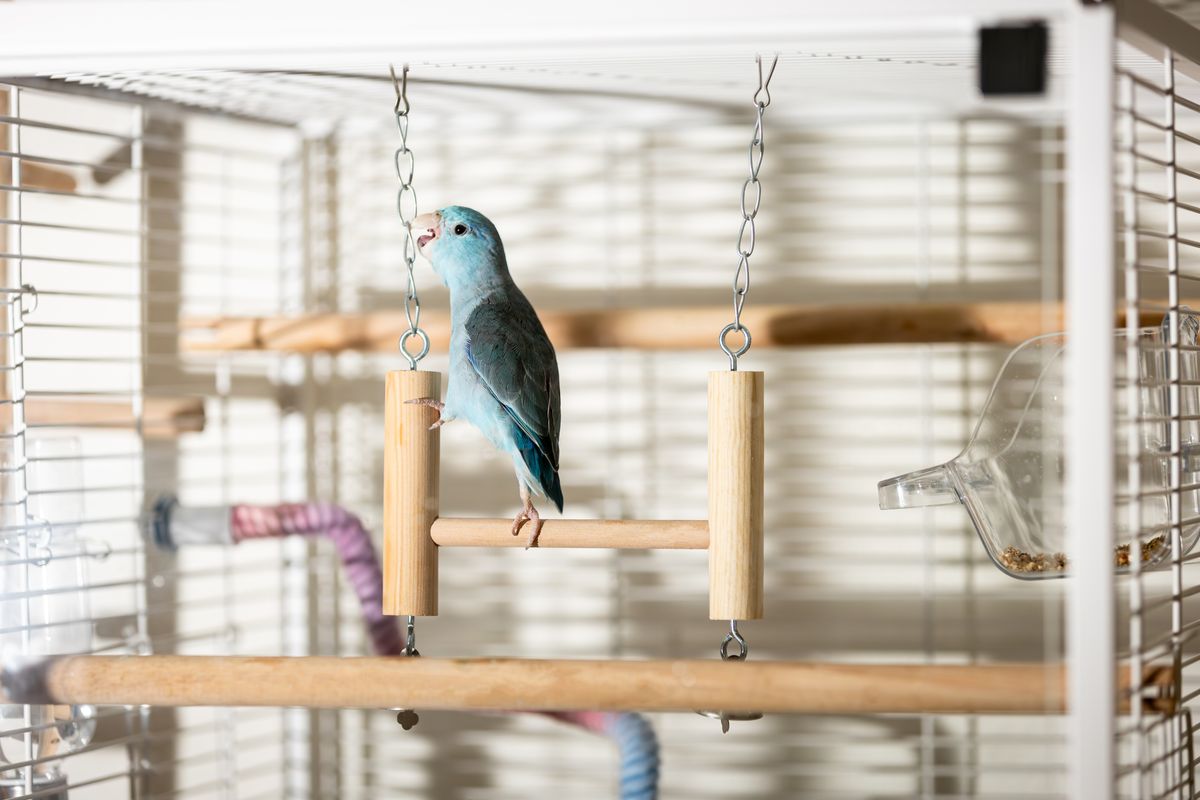
Pet birds can make deeply rewarding companions, but their unique needs, long lifespans, and legal considerations catch many prospective owners off guard. Understanding what responsible bird ownership truly involves makes all the difference between a thriving household pet and an overwhelming commitment.
The Type of Bird Matters
Most birds are high-maintenance pets, and the commitment they demand extends far beyond filling a food dish each day. Choosing one of these birds is genuinely a lifelong decision. The truth is that birds are not suitable pets for most people.
Birds kept as pets range widely in size, temperament, and care requirements, but a few groups dominate in popularity: parakeets (budgies) and cockatiels for beginners, larger parrots like African greys and cockatoos for experienced owners, and finches or canaries for people who want a bird to watch and listen to rather than handle. Budgies and cockatiels are popular first birds because they're small and adapt well to a cage-plus-supervised-time routine, though cockatiels in particular bond closely with their owners and can become distressed if left alone too often.
Parrots are a different commitment altogether and the ethics of owning them are widely debated. Species like African greys and macaws are highly intelligent, often compared to young children in their emotional and cognitive needs, and they can live 50 to 80 years, meaning they may outlive their original owner. These birds need significant daily interaction, mental stimulation through toys and training, and enough physical space to spread their wings and climb. They're also inherently noisy and destructive in captivity. Without these things, they're prone to feather-plucking, screaming, and other stress behaviors.
Because most pet bird species are flock animals in the wild, nearly all of them do better with regular social contact, whether from their owner or another bird, and prolonged isolation is one of the most common causes of behavioral problems across species. The right bird for a given household really comes down to matching its social and spatial needs to the amount of daily time and long-term commitment the owner can realistically offer.
Is a Pet Bird the Right Choice?
Before purchasing or adopting a bird, prospective owners should take a careful look at their living situation, household composition, and long-term lifestyle plans. Households with young children or family members who have weakened immune systems should think carefully before bringing a bird home, as certain species may pose health risks or behavioral challenges that make the arrangement unsuitable (source).
It is also important to recognize that most companion bird species have not been domesticated in the same way dogs or cats have, and they are generally not well-suited to constant handling or physical contact besides their heads and beaks. Encouraging this behavior can actually trigger hormonal responses, sometimes leading to aggression or abnormal egg-laying patterns.
Legal Considerations, Import Rules, and Origins
One of the first steps any prospective bird owner should take is researching applicable laws. State, local, and even property-level regulations frequently restrict which birds residents may legally keep, with restrictions often tied to noise levels, the size of the animal, or public health concerns. Violating these ordinances can result in fines or being forced to rehome a beloved pet.
Imported birds also face strict federal oversight. With the exception of birds originating from Canada, all birds brought into the United States must undergo a mandatory 30-day quarantine administered by the USDA, a precaution designed to reduce the risk of avian influenza entering the country.
Knowing where a bird is coming from is critical to ensure it's been ethically sourced. Rescues, which exist because of the sheer number of owner surrenders, are one of the most ethical places to adopt a bird from.
Getting Nutrition Right
Diet is one of the most frequently misunderstood aspects of bird care. Many new owners assume that a seed-based diet is natural and therefore healthy, but this is a significant misconception. A diet built predominantly around seeds and nuts lacks essential nutrients and can cause serious health consequences over time, including obesity, elevated cholesterol, heart problems, and fatty liver disease.
For parrots specifically, veterinary experts recommend that high-quality pellets make up roughly 75 to 80 percent of the diet, with fresh fruits and vegetables filling most of the remaining portion. All birds, regardless of species, require balanced nutrition, consistently clean water, and routine veterinary check-ups to maintain long-term health. Vet care is a non-negotiable part of proper husbandry and can be expensive, as birds often fall into the exotics category. Being prepared for these costs is important.
Housing, Environment, and Daily Care
The physical environment a bird lives in has a direct impact on its health and behavior. Cages must be large enough to allow the bird to climb freely, walk around comfortably, and ideally spread its wings without obstruction. Beyond the cage itself, birds should have access to a supervised exercise area outside of it for several hours daily.
Temperature is another critical factor. Birds thrive in environments kept between 70 and 80 degrees Fahrenheit, and their cages should be positioned away from drafts caused by air conditioning vents, heating systems, or windows that frequently let in cold air. Lighting matters as well. Birds require exposure to UVA and UVB rays to produce the vitamin D essential for healthy bones. Standard window glass filters out these rays entirely, so owners who cannot provide direct outdoor access need to invest in full-spectrum lighting designed specifically for this purpose.
Proper sanitation rounds out the daily care routine. Clean cages, fresh water, and hygienic feeding practices all reduce the risk of disease for both the bird and the people living in the household.
Considering Pet Bird Ownership
Pet bird ownership is one of the most rewarding arrangements a person can enter into, provided they go in with accurate expectations and a genuine understanding of what birds need to thrive. From navigating local ownership laws and federal import regulations to crafting a nutritionally complete diet and designing an appropriate living environment, responsible ownership covers a wide range of disciplines. Long lifespans mean that decisions made in the early days of ownership can have decades of consequences, making informed preparation essential. Veterinary resources from trusted institutions offer science-backed advice that helps owners at every stage of the journey. The more knowledge a prospective or current bird owner builds before and after acquiring their pet, the better equipped they will be to provide a safe, healthy, and enriching life for their feathered companion.