

Lizards can make fascinating, lower-maintenance companions for the right owner, but their needs are more complex than most people expect. Understanding their habitat requirements, nutrition needs, health risks, and long-term costs before bringing one home can help you decide what type is best suited to your home and lifestyle.
Most Common Lizard Types For Beginners
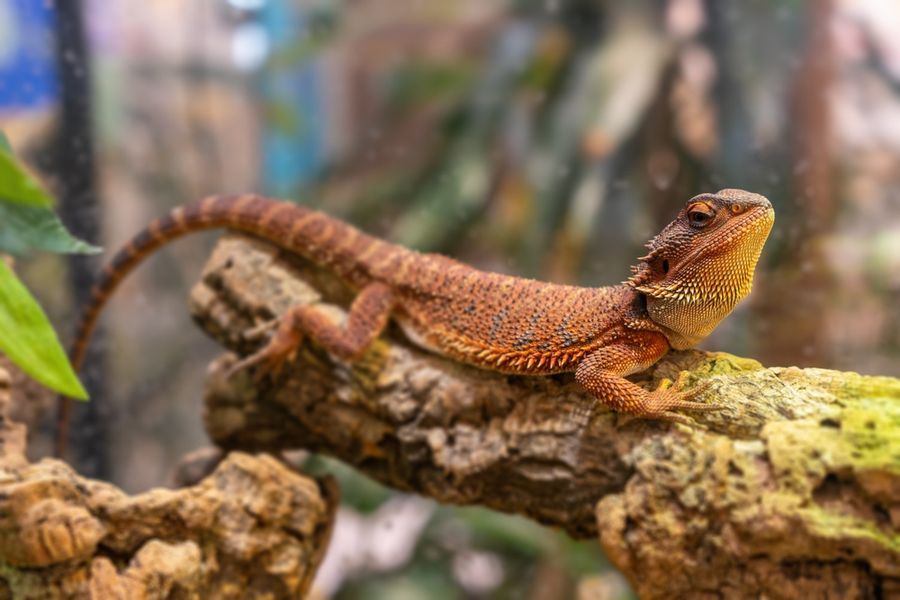
Bearded dragons are probably the most popular pet lizard overall, prized for their calm, curious temperament and the fact that they actually seem to enjoy interacting with their owners. Leopard geckos are up there too, and are often recommended as the best lizard for beginners since they're small, easy to handle, and don't require UVB lighting the way many other species do. Similarly, crested geckos, or "cresties", have become increasingly popular in the last couple of decades, driven largely by the huge range of colors and patterns breeders have developed.
Many other domesticated lizard types exist and can make excellent pets, but are recommended for first-time keepers as they have more complex needs and high husbandry costs.
Why Lizards Are Not Beginner Pets by Default
Many prospective owners assume that because lizards are quiet and contained, they are easy to care for. In reality, reptiles demand specialized knowledge and consistent attention. Improper diets, incorrect handling, and poorly designed habitats can all lead to serious health consequences for a pet lizard. These are animals that have evolved within very specific environmental conditions and depend on their owners to replicate those conditions artificially.
Lizards cannot regulate their own body temperature internally. They rely entirely on their environment to stay within a safe thermal range suited to their species. Failing to maintain those temperatures by even a small margin can cause physiological stress or worse.
Building a Proper Enclosure
A lizard's enclosure is far more than a simple container. It must be engineered to deliver a gradient of temperatures from one end to the other, giving the animal the ability to move between warmer and cooler zones as needed. Heat sources should be connected to programmable thermostats that cycle on and off automatically to keep conditions within the correct range. This level of technical setup often surprises first-time owners who expected a simpler arrangement.
Substrate selection also matters significantly. Not all bedding materials are safe. For example, cedar and pine shavings release aromatic oils that can harm a lizard's respiratory and neurological systems. Humidity levels must also be carefully managed, as both excessive and insufficient moisture in the enclosure can lead to serious health problems, including abnormal shedding and other complications.
The Critical Role of Lighting
Lighting is one of the most commonly misunderstood aspects of lizard care. Most diurnal lizards (those active during daylight hours) require UVB light in the 290–300 nm range to synthesize vitamin D3 in their skin, which is essential for absorbing dietary calcium. Without this, calcium deficiency develops quickly, leading to a condition called secondary nutritional hyperparathyroidism, which is a painful and debilitating disease.
Life Expectancy
Prospective owners should evaluate not just whether they can afford a lizard today, but whether they can sustain the cost of its care for the duration of the animal's life. Lifespan varies enormously across reptiles, and it's actually one of the most important things to research before getting one, since some species are a multi-decade commitment rather than a casual pet. For example, both leopard and crested geckos typically live 15 to 20 years and bearded dragons live 8 to 12 years.
Feeding
Feeding requirements vary dramatically depending on which lizard you choose, but most need live insects in their diet, including crickets, dubia roaches, mealworms, superworms, and waxworms. This is a non-negotiable part of lizard care, but not everybody is comfortable with bugs in their house. Before you buy or adopt a lizard, research their dietary needs and decide if you can meet them.
Health Risks
Lizards are susceptible to a wide range of internal health issues stemming from husbandry errors. Nutritional deficiencies, thermal stress, and improper handling all accumulate over time into chronic conditions that can be difficult and expensive to treat. Finding a veterinarian with reptile experience before acquiring a lizard is a step that experienced reptile owners universally recommend. It's also generally recommended to inquire about pricing before committing to getting a lizard as exotic vets tend to be quite expensive.
The True Cost of Lizard Ownership
One of the most surprising realizations for new lizard owners is how quickly costs escalate beyond the initial purchase price. The animal itself is often the least expensive part of the equation. Enclosures, heating equipment, UVB lighting fixtures, thermostats, appropriate substrate, and feeding supplies all add up considerably. As many lizard species grow substantially in size over time, enclosure upgrades become a recurring expense.
Is a Lizard The Right Pet For You?
Owning a pet lizard can be a deeply rewarding experience for those who take the time to understand what these animals truly need. Proper enclosure design, attentive lighting and temperature management, responsible hygiene practices, and long-term financial planning are all essential pillars of quality lizard care. The relationship between a lizard and a well-prepared owner is one built on knowledge — and that knowledge begins long before the animal ever arrives home. Reptiles are not low-effort companions, but for those willing to invest in understanding their needs, they offer a unique and genuinely captivating form of companionship that few other pets can match.