

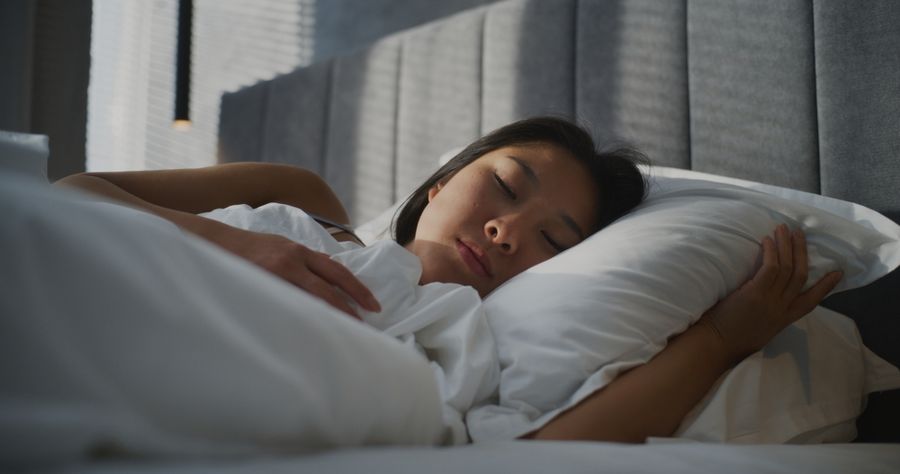
Getting quality rest has become a priority for millions of Americans, and a new generation of high-tech sleep tools is making it easier than ever to understand and improve what happens between the sheets without ever stepping foot in a sleep clinic.
Why Sleep Technology Is Gaining Attention
Modern life puts significant pressure on sleep quality, and many people are turning to technology for answers. Consumer sleep devices have evolved far beyond simple alarms and white noise machines. Today's tools can monitor everything from breathing patterns to brain activity, giving users a detailed picture of how well they actually rest each night.
The science backing these devices is growing steadily. Wearable sleep technology has expanded rapidly, with consumer devices now capable of estimating sleep stages, duration, and overall quality outside of clinical laboratory settings. That shift has opened the door for everyday people to access data that was once reserved for medical professionals.
How Wearable Devices Track Sleep
Most wearable sleep trackers rely on a technology called actigraphy. These devices use built-in accelerometers to detect body movement and infer whether a person is asleep or awake. Actigraphy-based wearables use accelerometers to detect movement and infer sleep-wake cycles, making them among the most widely validated consumer sleep tools. Beyond movement, advanced wearables also track heart rate variability, blood oxygen levels, and even respiration rate throughout the night.
It is worth noting, however, that consumer-grade devices do have limitations. Research indicates that while wearable devices show reasonable accuracy for total sleep time, their precision in identifying specific sleep stages still lags behind polysomnography. Polysomnography refers to the gold-standard, multi-sensor sleep study conducted in clinical settings. That said, for home use and general wellness tracking, today's devices offer a level of insight that was simply unavailable to consumers just a decade ago.
Top High-Tech Sleep Tools To Use At Home
Several standout products have earned strong marks from sleep experts. Among the most well-regarded wearables is the Oura Ring 4, a compact ring-style device that earned an overall rating of 9.1, tracking sleep stages and nighttime movement with a battery life of 5 to 8 days. Its unobtrusive design makes it easy to wear continuously, which is a key advantage for capturing consistent, night-over-night data.
For those who prefer not to wear anything to bed, non-wearable options have also advanced considerably. The Orion Sleep System achieved the highest overall rating of 9.2, monitoring sleep stages, breathing rate, and heart rate variability via a non-wearable mattress cover. This type of device is ideal for sleepers who find wrist bands or rings uncomfortable during the night.
Brain activity monitoring represents another frontier in at-home sleep technology. The Muse S headband offers real-time brain activity and heart rate monitoring with a battery life of up to 10 hours (source). This device is particularly useful for those interested in guided meditation and mental relaxation routines before sleep. Similarly, the Bía Smart Sleep Mask tracks sleep stages and brain activity with a 10-hour battery life and includes a lifetime subscription, combining passive tracking with a familiar sleep accessory.
The Broader Promise of Sleep Technology
Beyond individual wellness, sleep-tracking technology holds significant promise on a much larger scale. The growing availability of wearable sleep technology presents significant opportunities for large-scale, longitudinal sleep research in real-world environments. As more people adopt these devices and share anonymized data, researchers gain access to sleep patterns across diverse populations, which could reshape how sleep disorders are understood and treated.
For consumers at home, the practical value is more immediate. Knowing whether one consistently misses deep sleep stages, for example, can motivate meaningful lifestyle adjustments — from adjusting bedtime routines to consulting a healthcare provider. These tools don't replace medical advice, but they do equip individuals with a new level of self-awareness about their rest.
Are Sleep Tools Right For You?
High-tech sleep tools have transformed how people in the United States approach rest. Whether using a discreet ring, a sensor-equipped mattress cover, or a brain-monitoring headband, today's devices offer genuine insight into one of the body's most vital functions. Each option comes with its own strengths, and finding the right fit often depends on personal comfort preferences and specific sleep goals. As this technology continues to mature, its ability to help people make informed decisions about their health and well-being only grows stronger. Understanding what these tools offer — and how they work — is a meaningful first step toward better rest.