

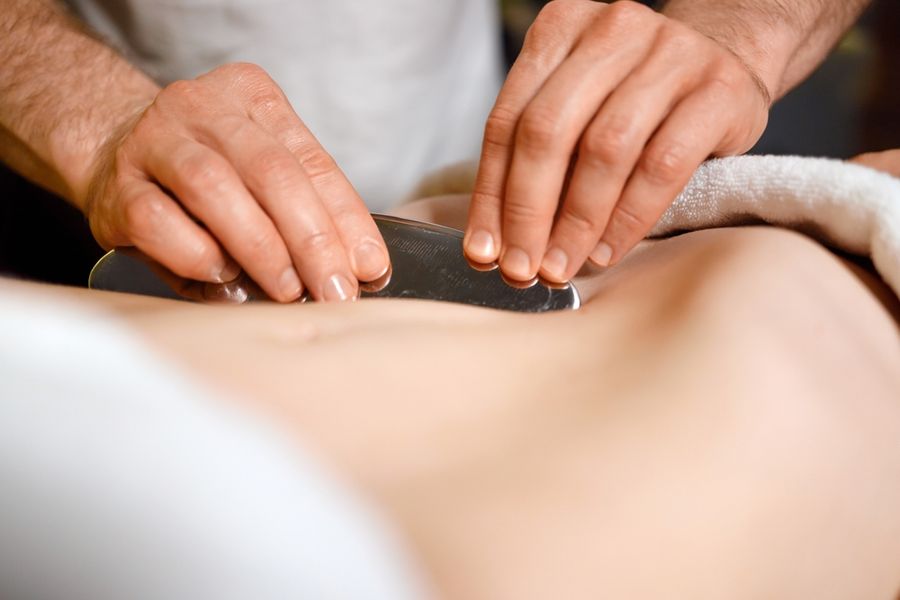
Muscle scraping is an ancient healing technique that has found a firm place in modern recovery routines. From its roots in traditional Chinese medicine to its growing presence in physical therapy clinics and home wellness practices, understanding this method can help anyone make smarter decisions about their body's recovery.
What Is Muscle Scraping?
Muscle scraping is a hands-on therapeutic technique that involves using a smooth-edged tool to stroke or apply pressure across the skin over soft tissue. Practitioners use specially designed instruments to deliver a mobilizing effect to muscles, fascia, and connective tissue in order to address restrictions and promote healing. In traditional Chinese medicine, this practice is known as gua sha, and it has been performed for thousands of years. Western biomedical researchers have more recently begun examining its mechanisms and clinical outcomes.
Today, muscle scraping appears in formal clinical settings as Instrument Assisted Soft Tissue Mobilization, commonly abbreviated as IASTM. Licensed acupuncturists, massage therapists, and physical therapists are among the professionals who incorporate this technique into their practice. The growing interest from both traditional and evidence-based medicine communities has made muscle scraping one of the more thoroughly studied manual therapy approaches available.
How Does Muscle Scraping Work?
When a practitioner applies a scraping tool to the skin, the mechanical action targets the underlying soft tissue in several important ways. One effect is an increase in microcirculation — the movement of blood through the body's smallest vessels — in the area being treated. Improved local blood flow delivers oxygen and nutrients to fatigued or injured tissues, which supports the recovery process.
The scraping technique also produces small reddish marks on the skin called petechiae, which form when tiny capillaries just beneath the surface rupture. Research suggests these marks are not simply cosmetic side effects; they appear to activate a localized immune response that helps reduce inflammation and encourages tissue repair. At a cellular level, the technique has been linked to increased expression of heme oxygenase-1, an enzyme known for its potent anti-inflammatory and cytoprotective properties.
Beyond circulation and inflammation, muscle scraping works to break apart fascial restrictions and scar tissue. The mechanical stimulus is thought to encourage connective tissue remodeling, which may restore normal movement patterns in areas affected by chronic tension or past injury. This combination of effects explains why practitioners often use it not just for pain relief but as a broader tool for improving range of motion and functional performance.
At Home Muscle Scraping
At-home muscle scraping, which requires a IASTM kit, lets you get many of the same benefits as a professional session without booking an appointment. There are many options available, with Sidekick and Stickon being two popular, reputable brands.
The basic technique involves applying a small amount of oil or lotion to the skin, then using the tool's edge to scrape along the muscle in short, firm strokes, typically moving toward the heart. Common areas to target at home include the calves, forearms, shoulders, and upper back, especially after a workout or a long day of sitting.
That said, at-home muscle scraping comes with a learning curve, and it's worth starting slowly and gently until you understand how your body responds. Beginners should avoid scraping directly over bones, joints, varicose veins, or areas with broken skin, and should stop if they notice sharp pain, numbness, or excessive bruising rather than mild redness. Many people find it helpful to watch a few tutorials or start with a lighter-pressure tool before working up to deeper strokes, and pairing the practice with stretching or foam rolling can round out an at-home recovery routine.
Safety Considerations and What to Expect
Muscle scraping is generally considered safe when performed using appropriate pressure and technique. The redness and minor skin discoloration that often appear after a session are normal responses and typically resolve on their own. However, applying the tool too aggressively can lead to muscle soreness, bruising, or more pronounced skin discoloration.
Certain skin conditions make muscle scraping inappropriate. It should never be performed over irritated, inflamed, or broken skin, which includes rashes, open wounds, and sunburned areas. Anyone with a bleeding disorder, active skin infection, or who is taking blood-thinning medications should consult a healthcare provider before trying this technique.
Who Can Benefit from Muscle Scraping?
Athletes recovering from intense training sessions represent one of the most common groups drawn to muscle scraping. The technique's ability to address soft tissue restrictions and promote circulation makes it appealing for anyone dealing with delayed onset muscle soreness, tightness from repetitive movement, or minor strains.
Beyond sports recovery, people managing chronic pain conditions, postural imbalances, or reduced mobility from scar tissue may also find value in this approach. Physical therapists frequently incorporate IASTM into rehabilitation programs for patients recovering from surgery or long-term musculoskeletal dysfunction, recognizing its capacity to support connective tissue remodeling alongside more conventional exercises.
Everyday individuals who spend long hours sitting, experience neck tension, or notice persistent tightness in common problem areas like the calves, hamstrings, or upper back may also respond positively to occasional muscle scraping sessions. The technique's versatility across age groups and activity levels contributes to its broad appeal in modern wellness and recovery contexts.
Try Out Muscle Scraping
Muscle scraping bridges thousands of years of traditional healing practice with a growing body of modern clinical research. Understanding its mechanisms helps practitioners and patients alike make informed decisions about incorporating it into a recovery plan. The evidence supports its use as a complementary tool for reducing pain, addressing soft tissue restrictions, and improving functional movement. Whether someone is an athlete pushing physical limits, a patient in rehabilitation, or a person managing day-to-day muscle tension, muscle scraping offers a well-documented option worth understanding. Learning more about how this technique works, what it treats, and when it is appropriate can meaningfully improve the quality of recovery choices available to anyone seeking better physical health.