

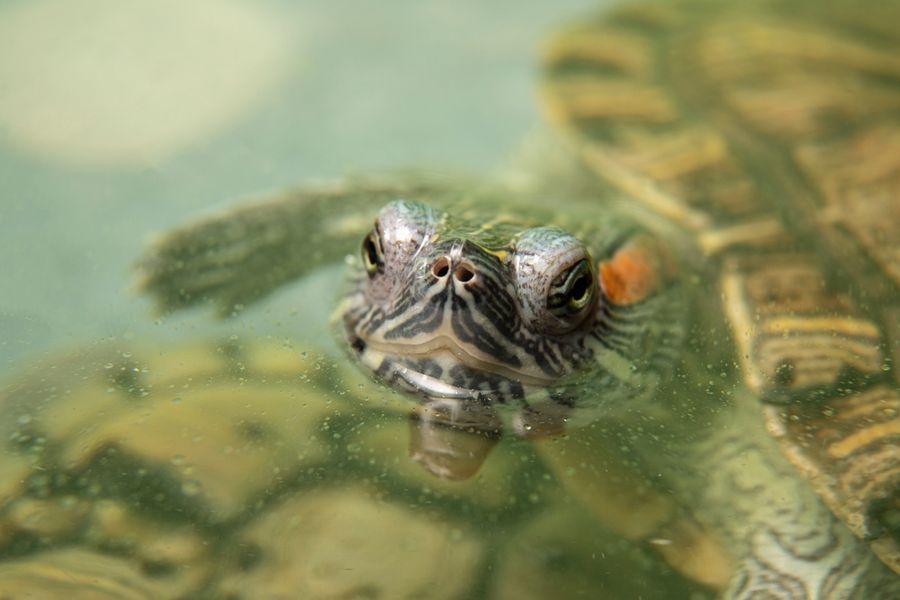
Pet turtles may seem like low-maintenance companions, but many are illegally released into local waterways or handed over to rescues every year when owners can't care for them anymore. While there is some truth in them being lower maintenance, they come with unique health risks, long-term care demands, and habitat requirements that every prospective owner should understand before bringing one home.
The Long-Term Commitment Behind Turtle Ownership
One of the most overlooked aspects of owning a pet turtle is just how long these animals live. The oldest turtle on record at the Animal Medical Center of New York was 67 years old at the time of its passing, illustrating that adopting a turtle can be a lifelong responsibility. That kind of commitment extends far beyond the typical pet ownership experience and deserves serious consideration before a purchase is made.
Prospective owners should also research adult size carefully, as certain turtle species can grow larger than a domestic cat. Red-Eared Sliders are a very popular breed to have as pets,, but what starts as a 1.5-inch manageable animal in a tank eventually requires a much larger and more complex habitat at 12 inches long. Planning ahead for the animal's full adult size is essential for responsible ownership, but many people overlook this.
Habitat and Dietary Needs Vary by Species
Not every turtle can thrive in the same environment. Aquatic species require a tank equipped with a functioning filtration system and adequate space for movement and exercise. Each species also has distinct nutritional needs, meaning a feeding routine that works for one turtle may be entirely inappropriate for another.
Setting up the right environment from the start is critical to a turtle's health and longevity. Temperature gradients, lighting schedules, and water quality all factor into creating a habitat that supports natural behavior. Owners who do their species-specific research before setup are far more likely to provide a stable and healthy home for their pet.
Finding a Qualified Veterinarian
Access to proper veterinary care is another major consideration that first-time turtle owners often underestimate. Not every veterinary practice is equipped or willing to treat reptiles, including turtles. The Association of Reptile and Amphibian Veterinarians maintains a search tool that can help owners locate a qualified specialist in their area.
Routine checkups for turtles are just as important as they are for dogs or cats. Respiratory infections, shell rot, metabolic bone disease, and parasites are all conditions that may require professional diagnosis and treatment. Identifying a reptile-experienced veterinarian before any health issues arise puts owners in a much better position to respond quickly when problems occur.
Understanding the Salmonella Risk
A significant public health concern associated with pet turtles is their potential to carry Salmonella bacteria. Any turtle, regardless of how healthy or clean it appears, may shed Salmonella through its droppings, and that contamination can spread to the animal's body, its tank water, and the surrounding surfaces. Thorough handwashing after any contact with a turtle or its enclosure is a non-negotiable safety practice.
The Federal Ban on Small Turtles
Federal law in the United States prohibits the sale and distribution of turtles with shells measuring less than four inches in length. This regulation exists specifically because smaller turtles are more likely to be handled by young children, increasing Salmonella transmission risk. Despite this law, illegally sold small turtles still appear at flea markets, roadside stands, and through online retailers. Purchasing a turtle from an unlicensed or unregulated seller not only violates federal law but also eliminates any assurance that the animal was raised under sanitary or humane conditions.
Is a Turtle the Right Pet For You?
Pet turtles reward attentive owners with decades of fascinating, rewarding companionship, but only when their needs are properly met. Understanding the species-specific habitat demands, recognizing the real Salmonella risks involved, staying aware of legal restrictions around small turtles, and locating qualified veterinary care are all foundational steps before ownership begins. Turtles are not starter pets in the traditional sense; they are long-lived animals with specialized needs that require genuine preparation. Taking the time to build a thorough understanding of turtle husbandry before acquiring one is the most responsible path forward for any prospective owner.