

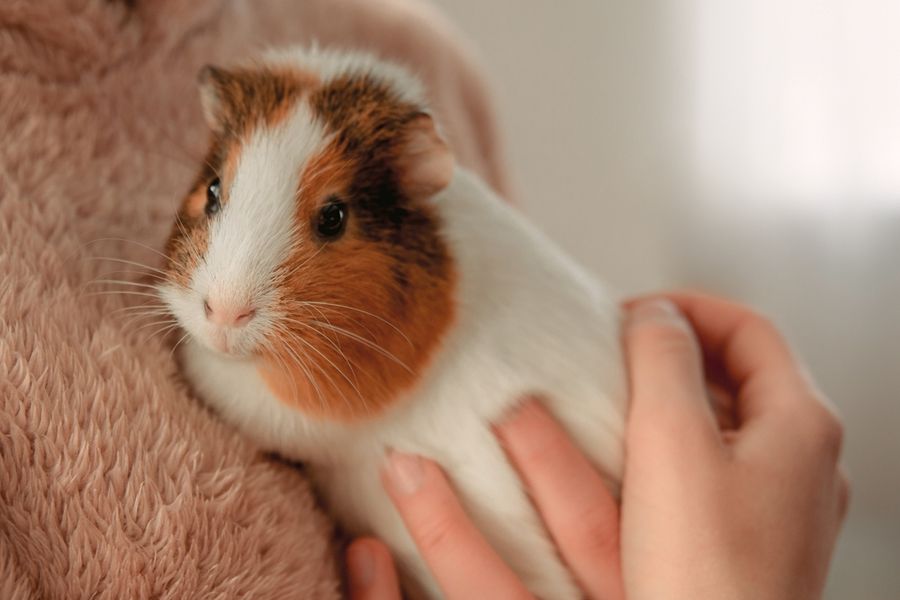
Guinea pigs make surprisingly rewarding companions, but their care requirements go far beyond a simple cage and food bowl. Understanding their housing, nutrition, and social needs before bringing a pair (yes, you need more than one) home sets the stage for a long, healthy life together.
Housing: More Space Than Most People Expect
One of the most common mistakes new guinea pig owners make is underestimating how much space these animals actually need. A single guinea pig requires a minimum of 7.5 square feet of living space, with roughly three additional square feet for every animal added to the enclosure. This is substantially more room than many commercially available cages provide, so it is worth measuring carefully before purchasing.
Most store-bought cages are built to accommodate only a single animal, and even then, they often fall short of the recommended minimums. Many piggy owners successfully use “C&C” (cubes and coroplast) cages, as they're inexpensive and easy to clean. Prospective owners should look for enclosures that prioritize floor space over height, since guinea pigs are ground-dwelling animals that do not climb.
Bedding choice is equally important. Cedar shavings are a popular option at many pet stores, but they should be avoided entirely. ç has shown that cedar bedding is linked to chronic upper respiratory problems and measurable changes in liver function. Aromatic wood shavings of any kind carry similar risks, as the volatile oils they release can irritate the respiratory tract and lead to disease. Paper-based or fleece bedding options are widely considered safer and more appropriate alternatives.
Nutrition: The Vitamin C Factor
Guinea pig nutrition comes with one critical detail that distinguishes these animals from many other small pets: they cannot produce their own vitamin C. Unlike most mammals, guinea pigs lack the enzyme necessary to synthesize this vitamin internally, which means they depend entirely on their daily diet to meet their needs. Adult guinea pigs generally require between 10 and 30 mg of vitamin C per day, with growing, pregnant, or nursing animals needing even more.
Fresh, unlimited hay should form the foundation of every guinea pig's diet. Timothy hay is the standard recommendation for adult animals. Avoid alfalfa hay (which is richer and higher in calcium), as its elevated calcium content increases the risk of bladder stones over time.
Commercial pellets should supplement hay, but quality matters. Look for formulas with at least 20% crude protein and 16% fiber, and avoid any product that includes nuts, corn, seeds, dried fruit, or colorful, crunchy additives. It is also worth noting that vitamin C degrades quickly — older pellets may no longer contain enough of this nutrient to prevent deficiency, regardless of what the original label states. Fresh vitamin C-rich vegetables are therefore an essential part of the daily feeding routine. Offering a wide variety of produce is also beneficial for long-term health — research has found that guinea pigs fed seven or more types of vegetables were significantly less prone to developing urinary tract stones.
One further note on vitamin C supplementation: adding it to a water bottle is not an effective strategy. Vitamin C breaks down rapidly in water, especially when the bottle is exposed to light, making this approach unreliable for meeting daily nutritional requirements.
Social Needs and Compatibility
Guinea pigs are highly social animals by nature, and most thrive when housed with at least one companion. However, pairing two adult males together is generally not a workable arrangement. Male guinea pigs often refuse to share space peacefully — the conflict that develops can escalate to fighting, resource hoarding, and serious injury or death for the less dominant animal. Same-sex female pairs or a neutered male paired with a female tend to be far more compatible combinations.
Routine Health and Grooming
Guinea pig teeth grow continuously throughout their lives, which means chew toys and fibrous hay are not just dietary staples, they're essential tools for keeping dental health in check and preventing overgrowth. Nails also require consistent attention, with monthly trimmings being the standard minimum for most animals.
Veterinary care from a practitioner experienced with exotic or small animals is important, as guinea pigs have specific health needs that differ significantly from those of cats or dogs. Finding a qualified vet before any health issues arise is a smart step for any new owner.
Is a Guinea Pig The Right Pet For You?
Guinea pigs are gentle, expressive animals that bond meaningfully with attentive owners, but their well-being depends on getting the fundamentals right from the start. Proper housing dimensions, safe bedding, a varied diet rich in fresh vitamin C sources, compatible social pairings, and regular grooming all contribute directly to a guinea pig's quality of life. Understanding these needs before making a commitment — rather than after — dramatically improves the outcome for both owner and animal. Reputable veterinary sources like university animal hospitals and peer-reviewed manuals are among the best places to continue building that knowledge and stay current with evolving best practices in small animal care.