

Evenings can feel strangely busy even after the day is technically over. Work may be finished, errands may be done, and your phone may finally stop buzzing, yet your mind can still feel switched on. A relaxing routine gives you a chance to slow the pace before bedtime rather than carrying daytime energy straight into bed. You don’t need a perfect schedule or a long checklist. A few simple habits can help make your evenings feel calmer, more comfortable, and easier to enjoy.
Create a Clear Ending to Your Day
It can be hard to relax when part of your mind still feels responsible for unfinished tasks. Give your day a clear stopping point by wrapping up anything small that might keep nagging at you. Close your laptop, put away work materials, tidy up your main living space, or write down anything you need to remember tomorrow.
The goal isn’t to finish every responsibility before you rest. It’s to give yourself a signal that you’re done for now. If something can wait until morning, let it wait. A short to-do list can help because you won’t have to keep reminding yourself about every loose end. Creating a boundary between daytime responsibilities and evening downtime can make it easier to stop thinking about what you should be doing next.
Lower the Stimulation Around You
A bright, noisy, busy environment can make it difficult to feel like the day is slowing down. As evening arrives, try making small changes to your surroundings. Dim a few lights, turn down the television, put your phone on silent, or move into a quieter room. You don’t need complete silence, but reducing constant input can help you feel less mentally crowded.
Pay attention to the kind of entertainment you choose too. Fast-paced shows, nonstop scrolling, work emails, or stressful news can keep your attention highly engaged. Consider switching to something gentler as bedtime gets closer. Soft music, an easy book, a familiar show, or quiet conversation may feel less stimulating. Creating a calmer environment can help the transition into nighttime feel more natural.
Choose a Few Activities That Help You Relax
A good evening routine should include things you genuinely enjoy. You might take a warm shower, read, stretch, work on a puzzle, listen to music, journal, knit, or spend a few quiet minutes with a pet. The activity itself matters less than how it makes you feel. Choose something that leaves you calmer rather than more energized.
Try not to turn relaxation into another task you have to perform perfectly. If meditation feels frustrating, you don’t need to meditate. If reading puts you at ease, make reading part of your routine instead. You may even want different options depending on your mood. The best habits are usually the ones that feel easy enough to return to regularly rather than activities you force yourself to complete.
Put Some Distance Between You and Your Screens
Phones have a habit of following us through every part of the day, including the moments when we’re trying to unwind. One message can lead to checking email, watching a video, scrolling through social media, and suddenly realizing much more time has passed than expected. Giving yourself a screen break can make your evening feel less busy.
You don’t have to lock your phone away for hours. Start with a short period before bed when you leave it on a charger, place it across the room, or switch on a setting that limits notifications. Then fill that time with something you actually enjoy doing offline. Even twenty or thirty quieter minutes can make your evening feel more deliberate and give your attention a break from constantly reacting to new information.
Prepare for Tomorrow Without Spending the Evening Worrying About It
A little preparation can make the next morning easier, but there’s a difference between getting organized and spending all night thinking about tomorrow. Choose a few simple tasks that reduce morning stress, such as laying out clothes, packing a bag, checking your calendar, or deciding what you’ll have for breakfast.
Once those tasks are finished, stop planning. You don’t need to mentally rehearse every part of the next day. If another thought pops up, write it down and return to your evening. Keeping preparation short and practical can help you feel more in control without turning nighttime into an extension of your workday. The point is to make tomorrow easier while still protecting the time you have to relax tonight.
Make Your Bedroom Feel Calm and Comfortable
Your bedroom can play a big role in how your evening feels. If the room is bright, cluttered, noisy, or uncomfortable, relaxing may be more difficult. Take a few minutes to make the space feel more inviting. Close the curtains, straighten the bedding, put away obvious clutter, and adjust the temperature if needed.
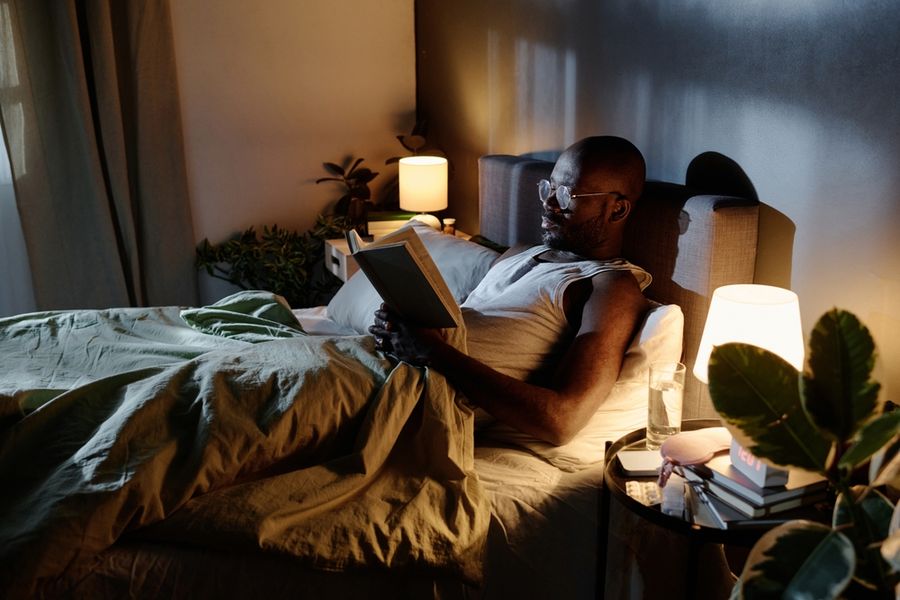
Small rituals can also make bedtime feel more intentional. You might turn on a bedside lamp, place a glass of water nearby, change into comfortable clothes, or spend a few minutes reading before getting under the covers. You don’t need to redesign the room or buy anything special. The goal is simply to make your surroundings feel like a place where the day can end rather than another area filled with distractions.
Let Your Evening Feel Like Your Own
A relaxing evening routine doesn’t have to look the same every night. Some evenings may give you plenty of time for a long shower, a book, and a quiet cup of tea. Others may only leave you with fifteen minutes before bed. What matters is having a few familiar ways to signal that the busy part of your day is over.
Start small and choose habits that make your evenings feel better rather than more structured. Lower the noise, step away from screens, finish a few loose ends, and make time for something you enjoy. Over time, those simple choices can help create a calmer rhythm and give you a little space to unwind before the next day begins.